


For many accident survivors, the hardest part is not the crash itself. It is waking up weeks later, stiff and out of shape, wondering how to get back to feeling normal again.
The body heals at its own pace, but that does not mean you have to sit still and wait. There are real, practical steps you can take right now to start rebuilding your fitness safely and steadily, and this guide walks you through all of them.
Understanding What Your Body Has Been Through
A car accident puts enormous stress on your body, even when visible injuries seem minor. Whiplash, muscle tears, fractures, and nerve damage can all affect how your body moves and responds to physical effort.

Before jumping into any fitness routine, it helps to understand that your body is likely in a protective state. Muscles tighten around injured areas, your nervous system becomes more sensitive, and your energy levels may be lower than usual. This is all normal.
Working against your body during this phase often makes things worse. The goal early on is to work with it.
Always Start With Your Doctor and a Physical Therapist
No fitness plan after a car accident should begin without medical clearance. Your doctor needs to assess the full extent of your injuries before you attempt any exercise, even gentle stretching.
A physical therapist becomes one of your most important allies during this time. They will design a program that matches exactly where your body is right now, not where it was before the accident.

Skipping this step often leads to reinjury. What feels fine in the moment can cause a setback that puts you weeks or even months behind. Getting professional guidance from the start is always worth it.
Easing Back In: The Early Stages of Physical Recovery
Once you have medical clearance, the first phase of getting back in shape focuses on gentle movement rather than intense workouts. Think of this as rebuilding the foundation your fitness will eventually stand on.
Walking is one of the best starting points. It gets blood flowing, supports joint mobility, and lifts your mood without putting too much strain on healing tissues. Even short walks around your home or neighborhood count.

Light stretching and breathing exercises also help during this phase. They reduce stiffness, improve circulation, and help calm the nervous system. Your physical therapist can show you which ones are safe based on your specific injuries.
Building Strength Gradually
As your body heals, you can begin introducing more structured exercise. The key word here is gradually. Jumping back to your pre-accident fitness level too quickly is one of the most common mistakes accident survivors make.

Resistance training with light bands or bodyweight movements such as gentle squats and wall push-ups can help rebuild muscle without overloading joints. Core strengthening is especially important because a strong core protects your spine and supports your entire body during movement.
Pay close attention to how your body responds after each session. Some soreness is expected, but sharp pain, swelling, or extreme fatigue are signs to slow down and check in with your therapist or doctor.
How a Personal Injury Claim Can Help Afford Recovery
“If your accident was caused by someone else’s negligence, the cost of your physical recovery should not fall on your shoulders,” say the injury lawyers at Bailey and Galyen Arlington. A personal injury claim can help cover the expenses that make real recovery possible.
Here is what a successful claim can help pay for:
- Physical therapy sessions and rehabilitation programs
- Gym memberships or home fitness equipment recommended by your doctor
- Specialist consultations related to your injuries
- Massage therapy or chiropractic care tied to your recovery
- Lost wages if your injuries have kept you from working
- Prescription medications and medical devices like braces or supports
- Mental health support, since trauma and anxiety after accidents are very real
Many accident survivors hesitate to pursue a claim because the legal process feels overwhelming, especially while already dealing with physical pain. Working with a personal injury attorney helps take that pressure off. Most work on a contingency basis, meaning you pay nothing unless they win your case.
Taking Care of Your Mental Health Too
Physical recovery and mental recovery go hand in hand. Many accident survivors deal with anxiety, fear of driving, disrupted sleep, or even post-traumatic stress after a crash. These emotional responses are completely valid and very common.

Ignoring your mental health during this period can actually stall your physical progress. Stress hormones like cortisol interfere with muscle repair and recovery. A calm and supported mind helps the body heal faster.
Consider speaking with a therapist or counselor who works with trauma survivors. Breathing techniques, meditation, and light movement like yoga can also help regulate your nervous system while supporting your physical rehabilitation at the same time.
Nutrition Plays a Bigger Role Than Most Realise
What you eat during recovery directly affects how fast and how well your body heals. Protein supports muscle repair, anti-inflammatory foods reduce swelling, and staying hydrated keeps your joints and tissues functioning properly.
Focus on whole foods such as lean meats, eggs, leafy greens, berries, nuts, and plenty of water. If your appetite has dropped due to pain or medication, small and frequent meals are easier to manage than three large ones.
Vitamin D and calcium are especially important if you suffered any bone injuries. Talk to your doctor about whether supplements make sense for your specific situation.
Setting Realistic Goals and Celebrating Progress
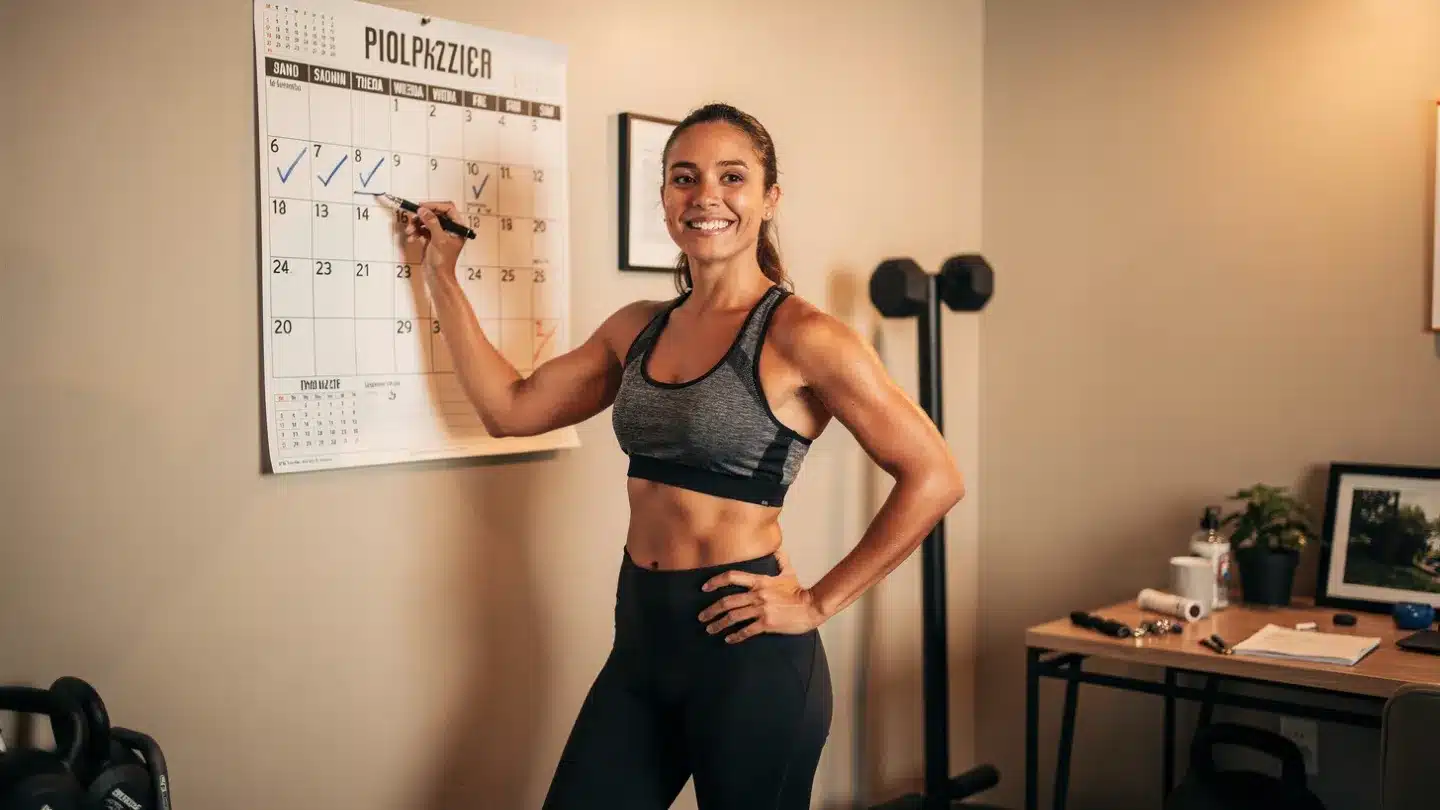
Recovery is not linear. There will be good days and harder days, and that is completely normal. Setting small, realistic goals helps you stay motivated without putting unnecessary pressure on yourself.
Maybe your goal this week is to walk for ten minutes without pain. Next month it might be completing a full physical therapy session. Each milestone, no matter how small it seems, is real progress worth acknowledging.
Surround yourself with supportive people, whether that is family, friends, or a community of others going through similar recoveries. That kind of encouragement makes an enormous difference when the process feels slow.
Final Thoughts

Regaining your fitness after a car accident takes time, and there is no shortcut around that truth. But with the right medical support, a smart and gradual approach to exercise, proper nutrition, and attention to your mental health, getting back in shape is very much within reach.
