


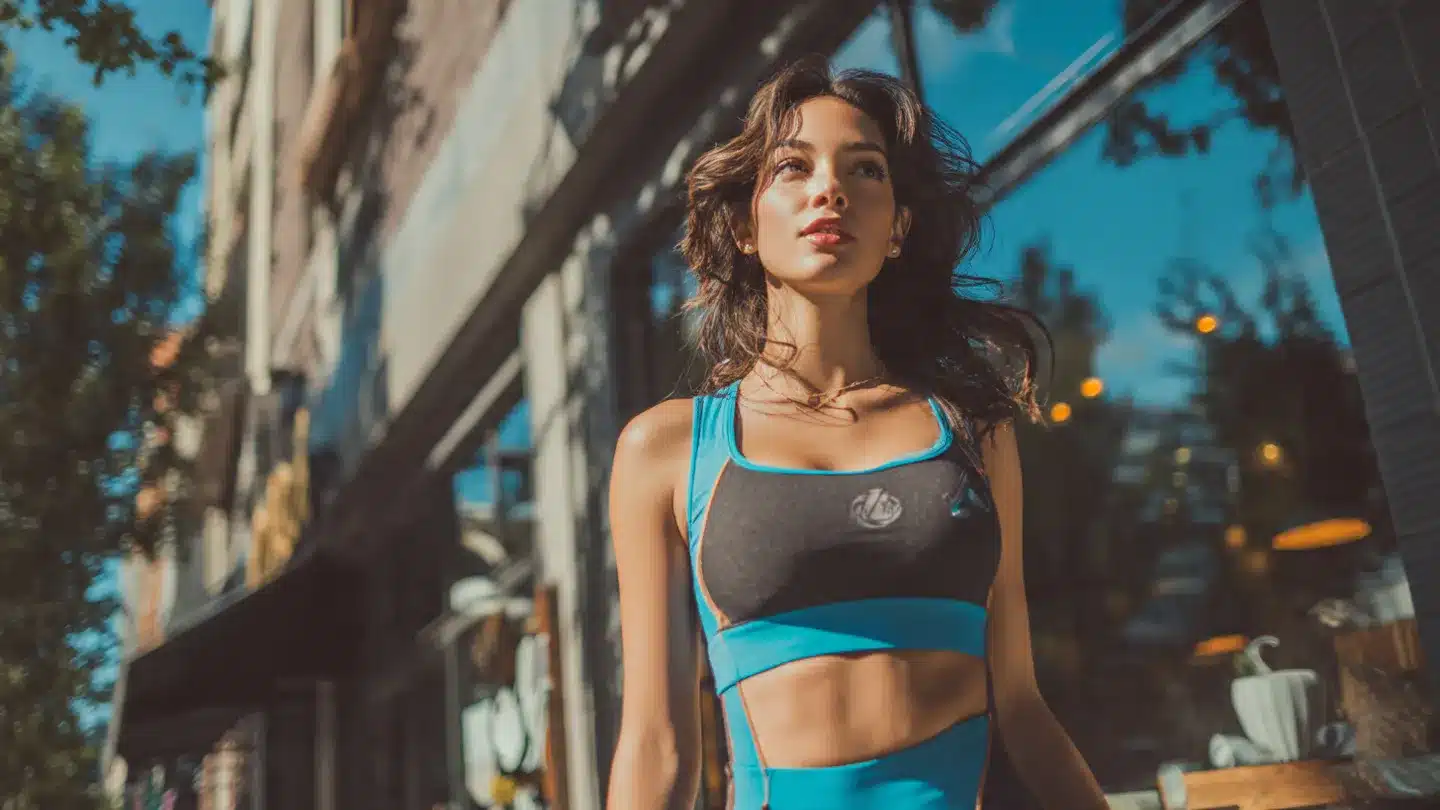
Something interesting has happened to sportswear over the past decade. What used to be confined to gyms, tracks, and playing fields has quietly taken over coffee shops, offices, airports, and dinner tables. Athleisure — the blend of athletic and leisure clothing — is no longer a trend. It has become the default wardrobe for millions of people who want to look put-together without sacrificing comfort. And now, a new layer is emerging: custom athleisure, where personalization meets performance wear in ways that are changing how we think about fashion entirely.
How Athleisure Became the New Normal
The athleisure movement did not happen overnight, though it might feel that way. Its roots go back to the early 2010s, when yoga pants started showing up in grocery stores and leggings became acceptable outside the studio. By the mid-2010s, the global athleisure market had crossed the $300 billion mark. Today, estimates put it well above $400 billion, and it is still growing.
What drove this shift was not just comfort, though that certainly played a role. It was a broader cultural change in how people relate to their clothing. The rigid boundaries between “workout clothes” and “real clothes” dissolved as remote work expanded, wellness culture gained influence, and consumers started prioritizing versatility over formality. People wanted pieces that could carry them through a morning run, a lunch meeting, and an evening out without requiring a costume change at each stop.
But as athleisure went mainstream, a problem emerged: everything started looking the same. The same black leggings. The same moisture-wicking tees in the same five colors. The same boxy hoodies from the same three brands. Athleisure had become ubiquitous, but it had also become anonymous. And that is exactly where customization entered the picture.
The Personalization Shift: From Mass Market to Made for You
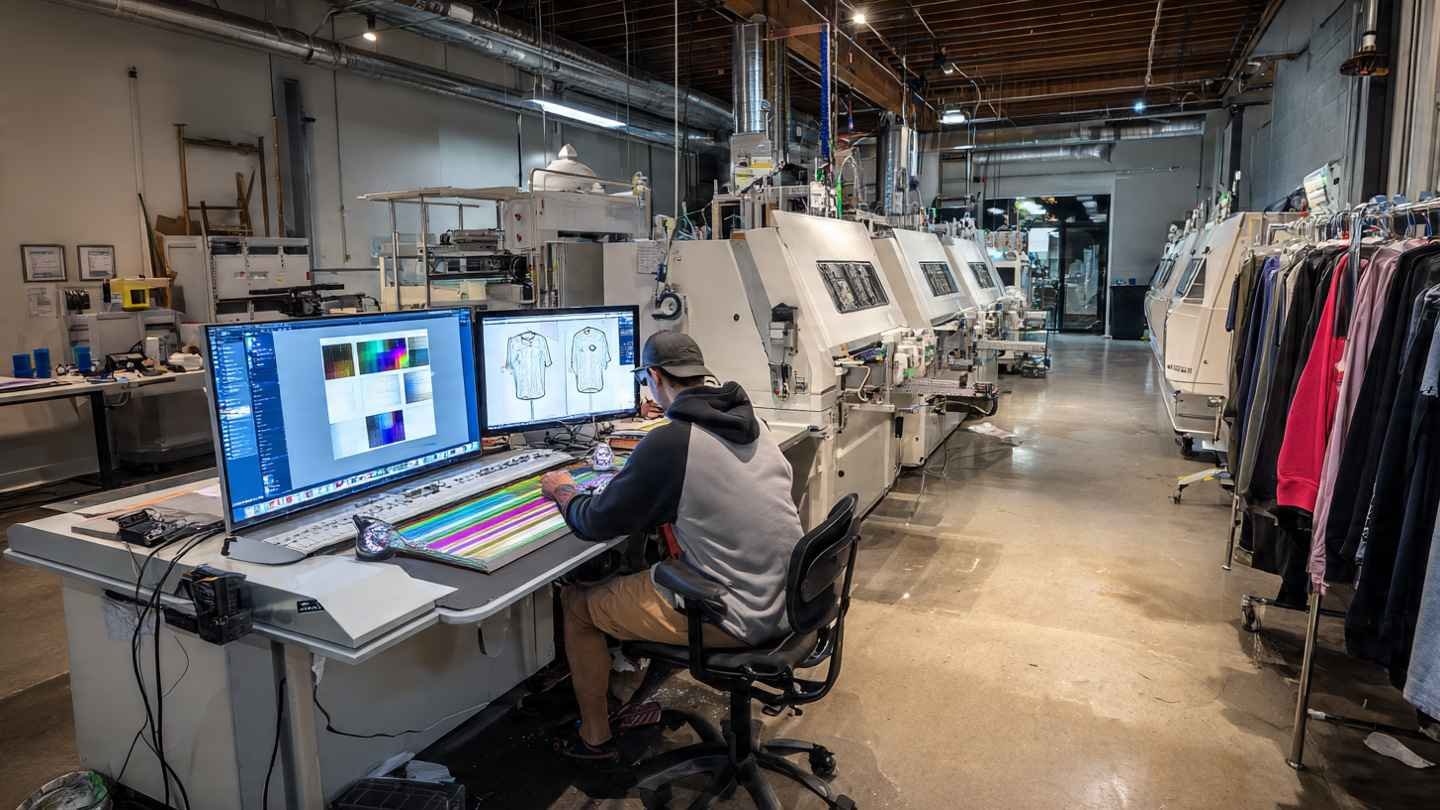
Customization in fashion is not a new idea. Tailored suits and bespoke dresses have existed for centuries. But bringing that concept into sportswear and athleisure — where comfort, stretch, and technical fabrics are involved — required a different kind of manufacturing capability. Traditional tailoring methods do not translate directly to performance knits, moisture-wicking blends, or four-way stretch fabrics.
This is where modern manufacturing has caught up with consumer demand. Advances in cut-and-sew production, digital pattern making, and flexible supply chains now allow custom sportswear manufacturers to produce personalized athleisure at scales that were impossible a decade ago. Customers are no longer limited to choosing between size small, medium, or large in whatever colors a brand decided to offer this season. They can specify fabrics, choose colorways, add design elements, and even adjust cuts to suit their body type and preferences.
This matters more than it might seem on the surface. When a piece of clothing fits your body properly and reflects your personal taste, you wear it more often. You take better care of it. You build outfits around it. The relationship between wearer and garment shifts from disposable to meaningful — and that has implications for both personal style and the broader fashion ecosystem.
Why Custom Athleisure Appeals to the Fashion-Conscious Consumer
Fit That Actually Fits
The biggest frustration with mass-produced athleisure is inconsistent fit. One brand’s medium is another brand’s large. Leggings that fit perfectly through the thigh bunch awkwardly at the ankle. Sports bras designed for one body shape leave everyone else compromising between support and comfort. These are not minor annoyances — they affect how people feel in their clothes, which affects how they carry themselves all day long.
Custom athleisure eliminates the guesswork. When you work with a manufacturer that builds garments to your specifications, the result is clothing that moves with your body instead of fighting against it. For anyone who has ever spent thirty minutes in a fitting room trying to find a pair of joggers that do not sag at the knees after two washes, the appeal is immediately obvious.
Design That Reflects Identity
Fashion has always been a form of self-expression, but mass-market athleisure limits that expression to whatever a brand’s design team decided was going to sell this quarter. Custom athleisure flips that dynamic. Want a color-blocked windbreaker in shades that match your personal brand? That is possible. Prefer a crop top with a specific neckline that you have never been able to find off the rack? Also possible.
This level of creative control is especially appealing to fitness influencers, boutique gym owners, yoga instructors, and anyone whose personal brand is tied to how they present themselves physically. But it is also increasingly attractive to everyday consumers who are simply tired of wearing the same thing as everyone else at the gym or on the street.
Quality That Justifies the Price
There is a perception that custom means expensive, and while custom athleisure typically costs more per piece than a fast-fashion alternative, the value equation looks very different when you factor in longevity and wearability. A pair of custom-made training shorts built with quality stitching, reinforced seams, and fabric that maintains its shape and color through hundreds of washes will outlast three or four cheap replacements. The cost per wear drops quickly.
Working with an experienced custom clothing provider also means access to technical fabrics and construction methods that fast fashion simply cannot offer at its price points. Anti-microbial treatments, UV protection, strategic ventilation panels, compression zones — these features require manufacturing expertise and fabric sourcing capabilities that mass production shortcuts cannot replicate.
The Sustainability Angle Nobody Is Talking About Enough
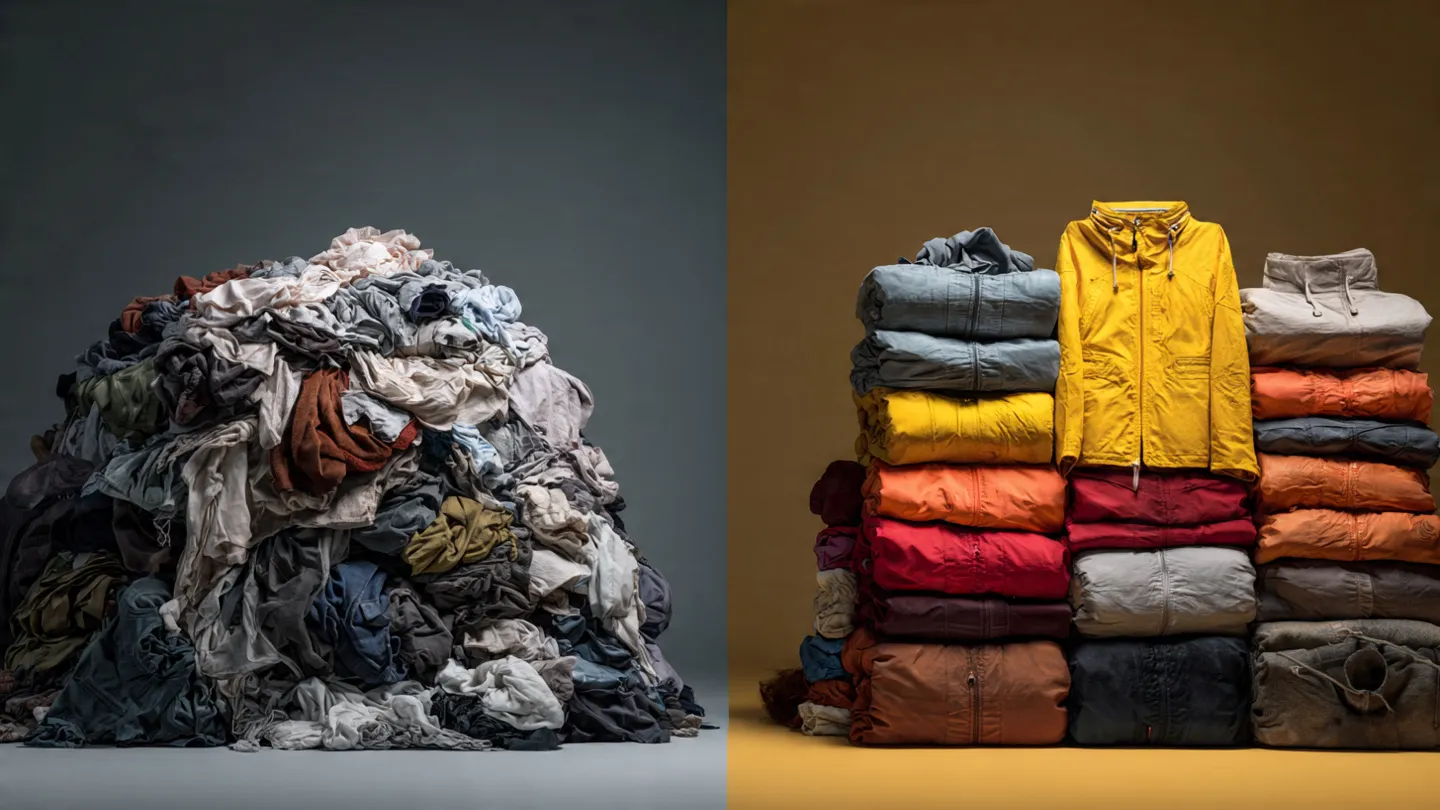
Here is an underappreciated benefit of custom athleisure: it is inherently more sustainable than the mass-market alternative. The fashion industry generates approximately 92 million tons of textile waste each year, and a significant portion of that comes from overproduction — brands manufacturing massive quantities of clothing based on demand predictions that are often wildly inaccurate.
Custom production flips this model. Garments are made to order, which means no unsold inventory sitting in warehouses, no end-of-season fire sales, and no truckloads of unworn clothing heading to landfills. When you order a custom athleisure piece, it exists because you wanted it. That is a fundamentally different relationship between production and consumption, and it results in dramatically less waste.
Additionally, custom pieces tend to have longer lifespans. When something fits well and reflects your personal taste, you keep it. You do not cycle through it after one season and replace it with the next trending item. The slow fashion movement has been advocating for this mindset for years, and custom athleisure is one of the most practical expressions of it.
What to Look for When Going Custom
If the idea of custom athleisure appeals to you — whether for personal use or for building a brand — there are a few things worth considering before diving in.
Fabric Knowledge Matters
Not all performance fabrics are created equal. The difference between a cheap polyester blend and a premium moisture-wicking fabric with four-way stretch is noticeable from the first wear. A good manufacturer will guide you through fabric options and help you choose materials that match your intended use — whether that is high-intensity training, casual everyday wear, or something in between.
Minimum Orders and Flexibility
Some manufacturers require large minimum order quantities, which works for brands but not for individuals. Others offer low MOQs or even single-piece production. Understanding the minimum requirements upfront saves time and prevents disappointment. The right manufacturing partner should be willing to work with your volume, whether that is ten pieces or ten thousand.
Communication and Sampling
The custom process involves back-and-forth communication about design details, fabric choices, sizing, and timelines. Manufacturers who are responsive, transparent about pricing, and willing to produce samples before committing to full production runs are the ones worth partnering with long term. A sample that you can touch, wear, and test is worth more than any number of digital mockups.
Where Custom Athleisure Is Heading
The trajectory is clear. As manufacturing technology continues to improve and consumer expectations for personalization keep rising, custom athleisure will move from a niche offering to a mainstream expectation. We are already seeing direct-to-consumer brands built entirely around customization, and established brands are adding made-to-order options to their product lines.
For consumers, this means more choices, better fits, and clothing that actually reflects who they are. For the fashion industry, it means a gradual but meaningful shift away from the overproduction model that has defined it for decades. And for anyone who has ever pulled on a pair of mass-produced leggings and thought “close enough,” custom athleisure offers a simple but powerful promise: clothing that is made for you, not just marketed to you.
That shift, from passive consumption to active participation in what you wear, might be the most significant fashion trend of the decade. And it is only getting started.
